In Colorado’s Front Range, asphalt takes a beating. Between freeze-thaw cycles, snowplows, UV exposure, and heavy traffic, pavement damage can appear faster than many property owners expect. When potholes or surface failures show up, an asphalt patch is often the first repair solution considered.
While patching can be effective, especially for localized damage, it is not always the best long-term choice for commercial properties in Denver and throughout Colorado. Understanding the pros and cons of an asphalt patch can help you decide when patching makes sense and when a more comprehensive asphalt repair approach is needed.
Understanding Asphalt Patching in Colorado Conditions
An asphalt patch is a localized asphalt repair method designed to fix specific areas of pavement failure. These failures often include potholes, deteriorated sections, utility cuts, and areas where cracking has allowed moisture to penetrate below the surface.
In Denver and surrounding Colorado cities, asphalt patching is commonly required after winter. Snowmelt seeps into cracks, freezes overnight, and expands, pushing asphalt apart from below. When spring arrives, these weak areas often collapse into potholes, making asphalt patch repairs necessary for safety and accessibility.
Unlike full resurfacing or an asphalt overlay, a patch targets only the damaged area rather than the entire pavement surface.
Why Using an Asphalt Patch Is So Common in Denver Asphalt Repair
Asphalt patching is one of the most frequently used parking lot repair methods in Denver because it provides a fast response to visible pavement damage. Commercial properties, HOAs, retail centers, and industrial facilities often need immediate solutions to keep parking lots and drive lanes operational.
Colorado’s variable weather also plays a role. Sudden temperature swings can turn small cracks into potholes almost overnight. An asphalt patch allows property managers to address issues quickly without waiting for ideal paving conditions.
For many Denver property owners, patching is a practical way to stay compliant with safety standards while controlling short-term maintenance costs.
Pros of Asphalt Patching for Colorado Properties
One major advantage of an using an asphalt patch is speed. In most cases, repairs can be completed in a single day. This is especially valuable for busy Denver parking lots where closures must be minimized.
Cost is another benefit. Compared to large-scale asphalt repair projects, patching requires less material and labor. When damage is isolated, an asphalt patch is often the most economical option available.
It also delivers immediate safety improvements. Potholes and surface failures are a common cause of vehicle damage and trip hazards, particularly during snowy or icy conditions. Repairing these areas promptly helps reduce liability exposure for Colorado property owners.
Another advantage is damage containment. When water penetrates damaged asphalt, it accelerates deterioration. A properly installed asphalt patch helps seal off vulnerable areas and slow further breakdown caused by Colorado’s freeze-thaw cycles.
Cons of Using an Asphalt Patch in Harsh Colorado Climates
While asphalt patches offer clear benefits, it does come with limitations, especially in Denver’s climate. One of the biggest drawbacks is lifespan. An patch is often a temporary asphalt repair rather than a permanent solution.
If the underlying base has been compromised by repeated freeze-thaw cycles or poor drainage, patched areas may fail again. This is common in older Denver parking lots where base materials have weakened over time.
Appearance is another consideration. Asphalt patches can stand out visually, especially when older pavement surrounds newer material. While this does not affect performance, it can impact curb appeal for commercial properties where presentation matters.
Repeated patching can also become costly over time. When pavement deterioration is widespread, continually applying asphalt patch repairs may cost more than investing in a comprehensive asphalt repair strategy.
When an Asphalt Patch Is the Right Choice in Denver
An asphalt patch is most effective when damage is limited to specific areas and the surrounding pavement is structurally sound. Isolated potholes, localized surface failures, and utility trench repairs are all good candidates for patching.
Asphalt patching also makes sense when immediate repair is required. Many Denver commercial properties cannot wait weeks for major asphalt repair projects, especially when safety concerns or tenant complaints are involved.
For properties planning a future asphalt overlay or reconstruction, asphalt patching can serve as a short-term solution that maintains safety until a larger project is scheduled.
When Asphalt Patching Is Not Enough
In many Denver and Colorado parking lots, pavement damage is not limited to a few areas. Extensive cracking, surface fatigue, and repeated pothole formation often signal deeper structural issues.
In these situations, asphalt patching alone may only provide temporary relief. If drainage problems exist or water consistently pools in low areas, patches are likely to fail again after another winter season.
When asphalt repair becomes reactive rather than strategic, it may be time to consider alternatives such as full-depth asphalt repair or resurfacing. These methods address the root cause of failure rather than repeatedly treating the symptoms.
Asphalt Patch Compared to Other Asphalt Repair Options
Asphalt patching is just one tool within a broader asphalt repair plan. Crack sealing is a preventative maintenance method that is especially important in Colorado. Sealing cracks before winter helps prevent water intrusion and reduces the need for future patching.
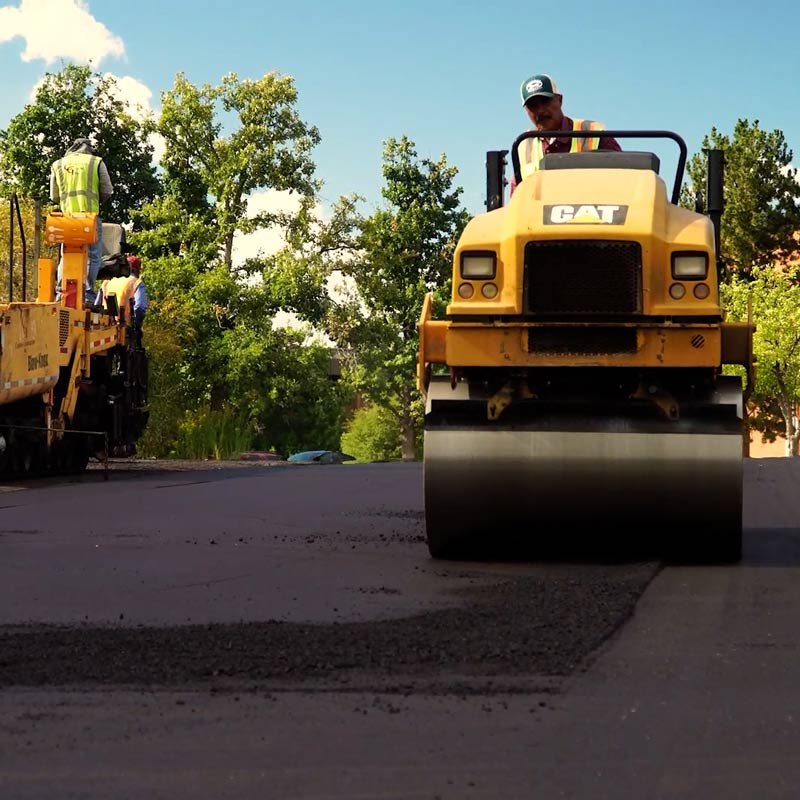
Asphalt overlay is another option commonly used in Denver when pavement is structurally sound but showing surface wear. Overlay improves appearance and performance but requires proper preparation to avoid reflective cracking.
Full-depth asphalt repair is necessary when base failure is present. While more expensive upfront, this method provides the longest-lasting solution in Colorado’s demanding climate.
Choosing the correct asphalt repair method depends on pavement condition, usage, and long-term budget planning.
Installation Quality Matters for Asphalt Patch Longevity
Not all asphalt patches perform the same. Proper installation is critical, especially in Colorado where environmental stress is high. Damaged areas must be cut cleanly, excavated to the proper depth, and rebuilt with correct compaction.
Poorly compacted patches often settle or crack within months. Edge sealing is also essential to prevent water infiltration between the patch and existing pavement.
Working with an experienced Denver asphalt repair contractor ensures that asphalt patches are installed correctly and designed to withstand local conditions.
Using Asphalt Patches as Part of a Pavement Maintenance Plan
The most successful pavement strategies in Colorado treat asphalt patching as part of a larger maintenance plan. Regular inspections help identify early signs of failure before potholes form.
When asphalt patch repairs are combined with crack sealing, sealcoating, and scheduled resurfacing, pavement lifespan can be significantly extended. This proactive approach reduces emergency repairs and provides better cost control over time.
Denver property owners who plan ahead typically see fewer winter-related failures and lower long-term asphalt repair costs.
Schedule a Free Parking Lot Repair Assessment
If your parking lot or roadway is showing signs of potholes, cracking, or surface failure, an asphalt patch may be part of the solution, but it may not be the whole answer.
Our team specializes in professional asphalt repair throughout Denver and the surrounding Colorado Front Range. We offer honest evaluations to determine whether asphalt patching, resurfacing, or full-depth repair is the most cost-effective option for your property.
Contact us today to schedule a free asphalt assessment and get expert guidance on the right repair strategy before small issues turn into major expenses.